
.PNG)
.PNG)
.png)
.png)
.webp)

.webp)
.png)
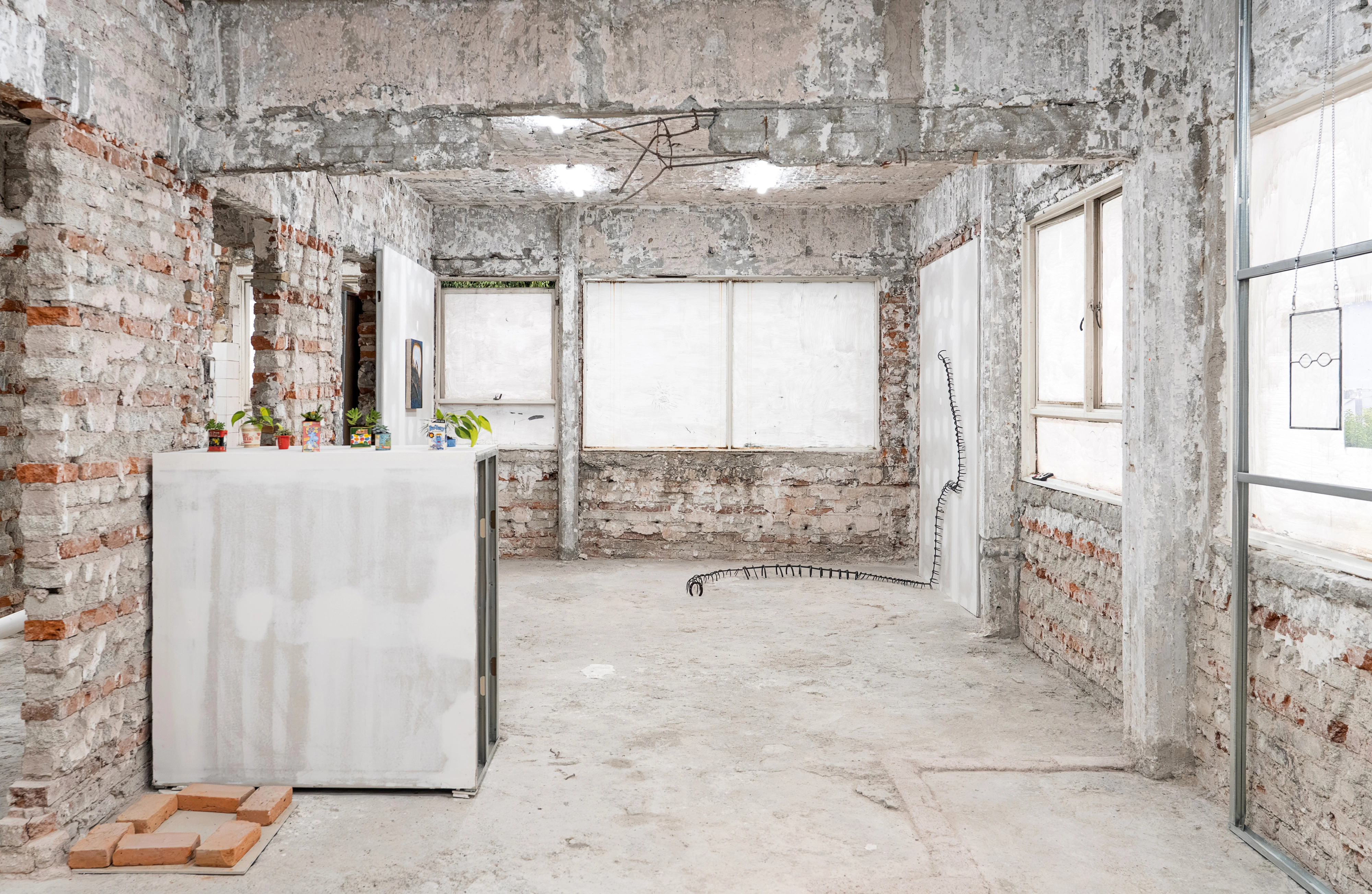
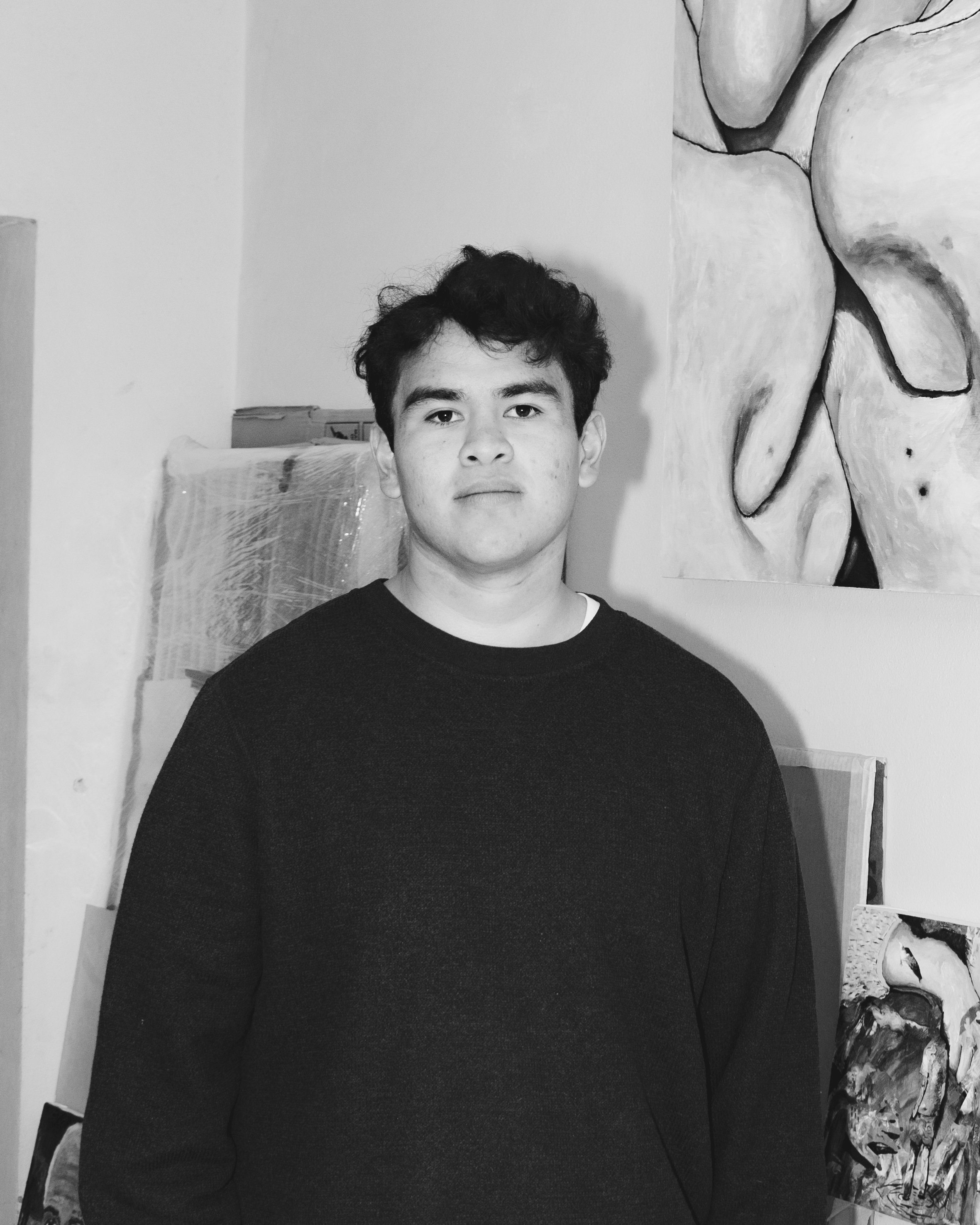


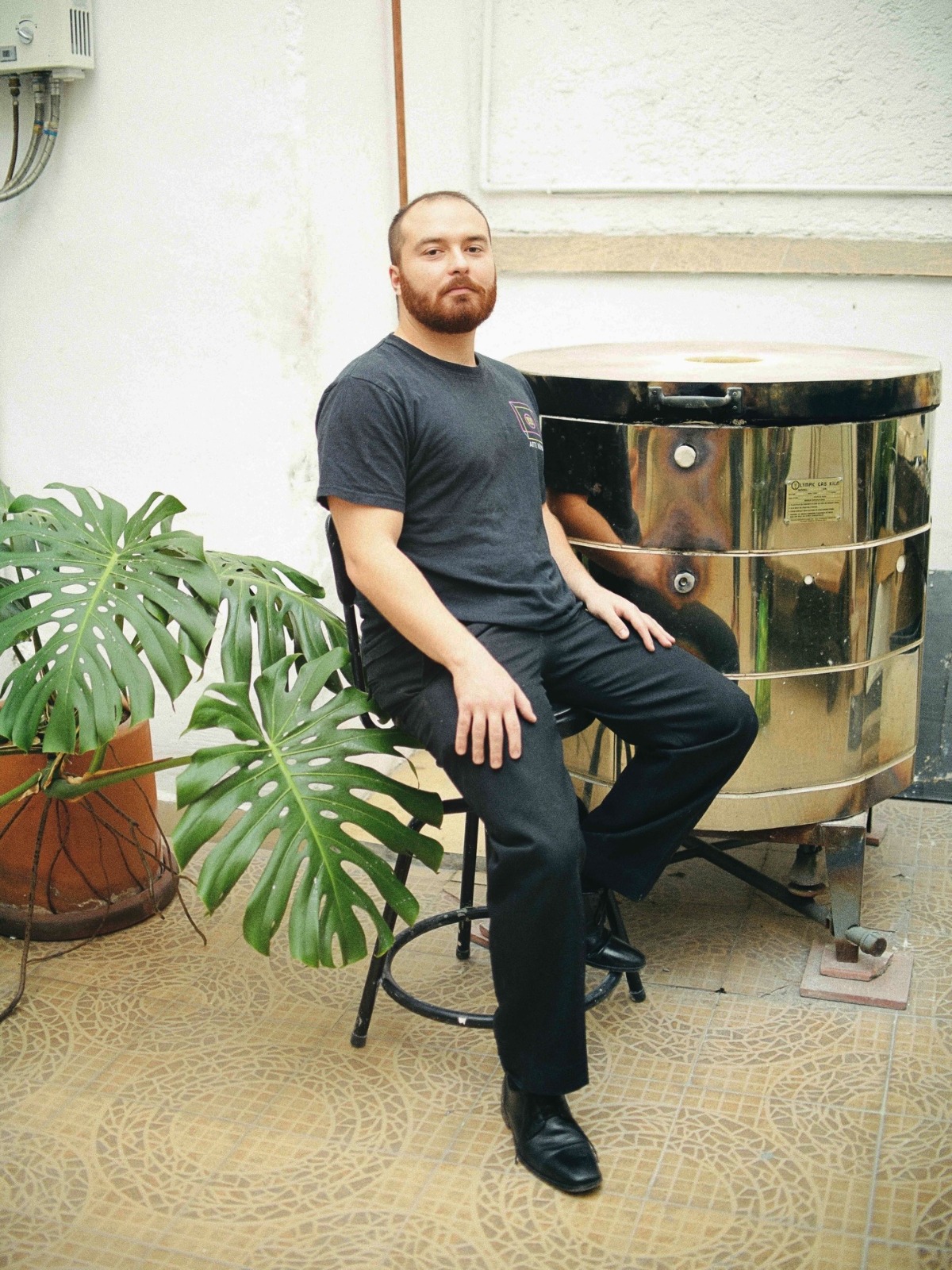
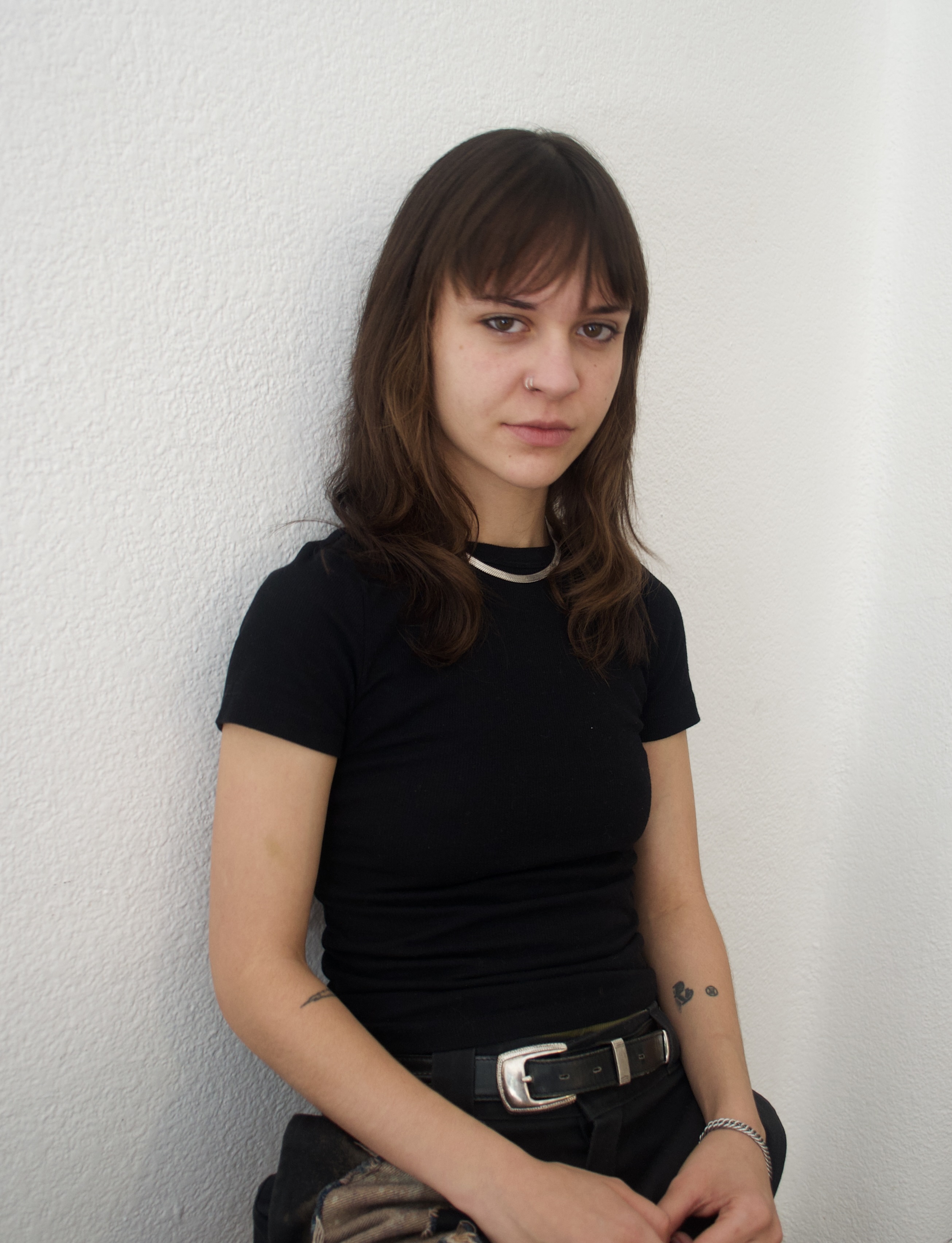
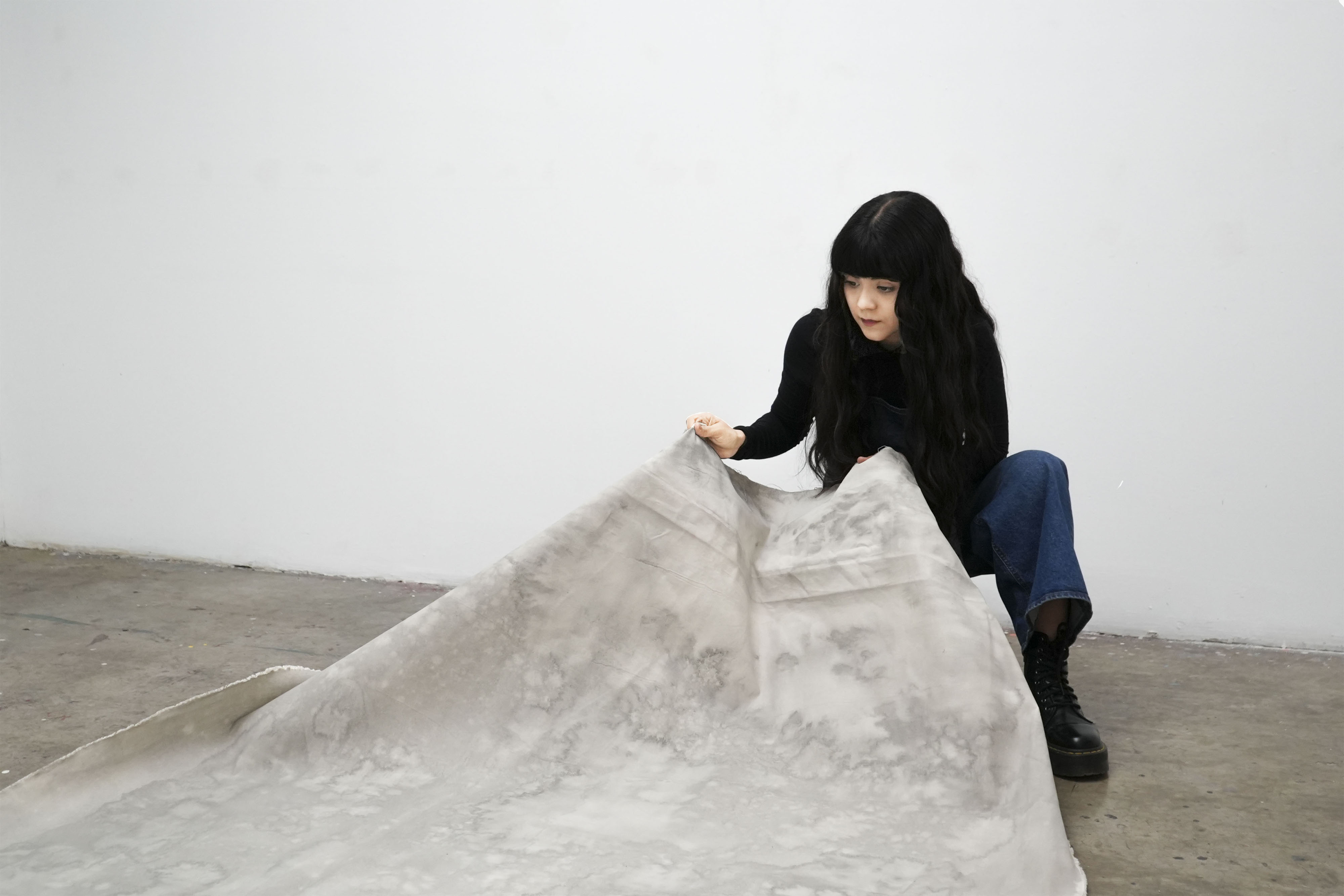

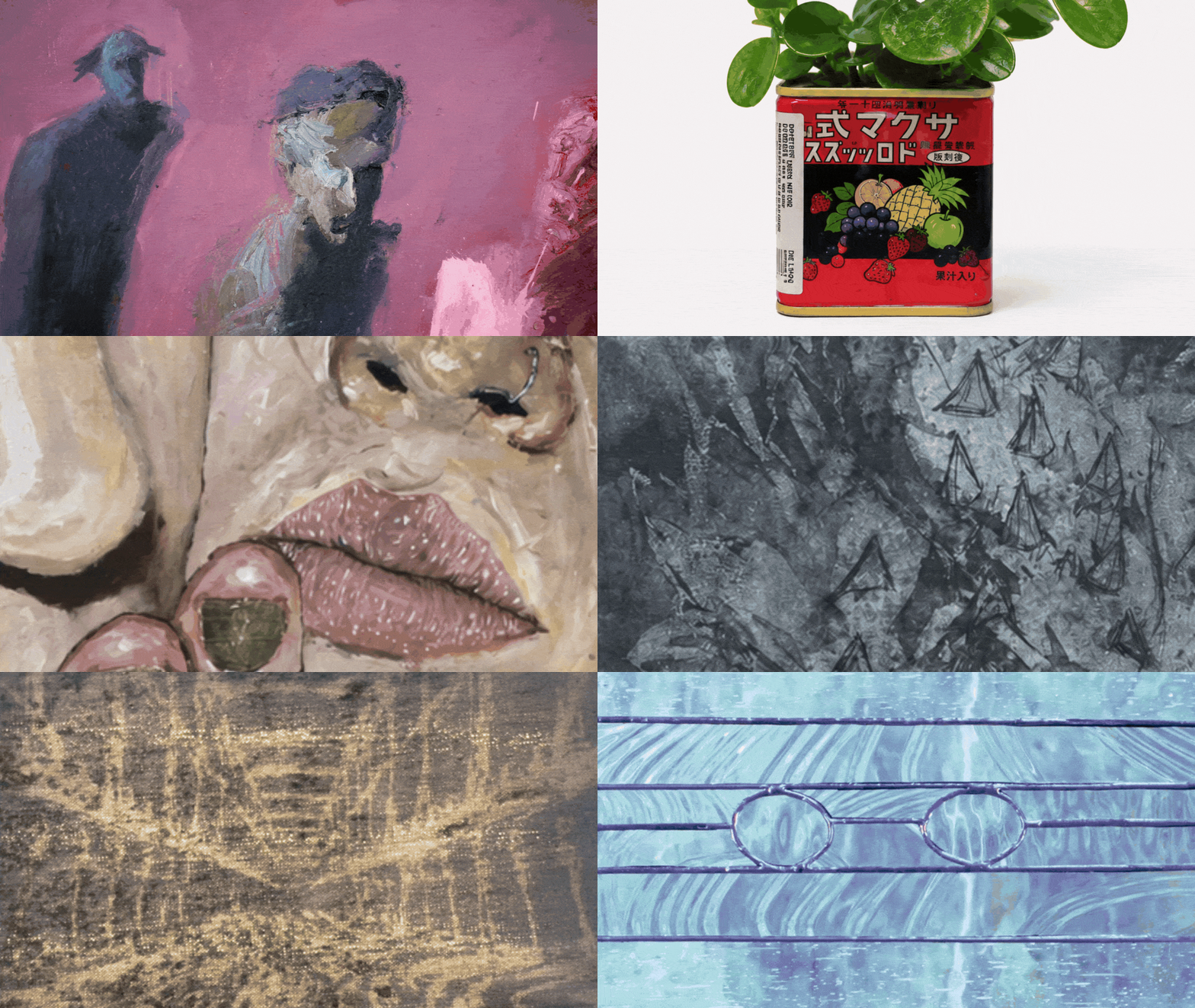
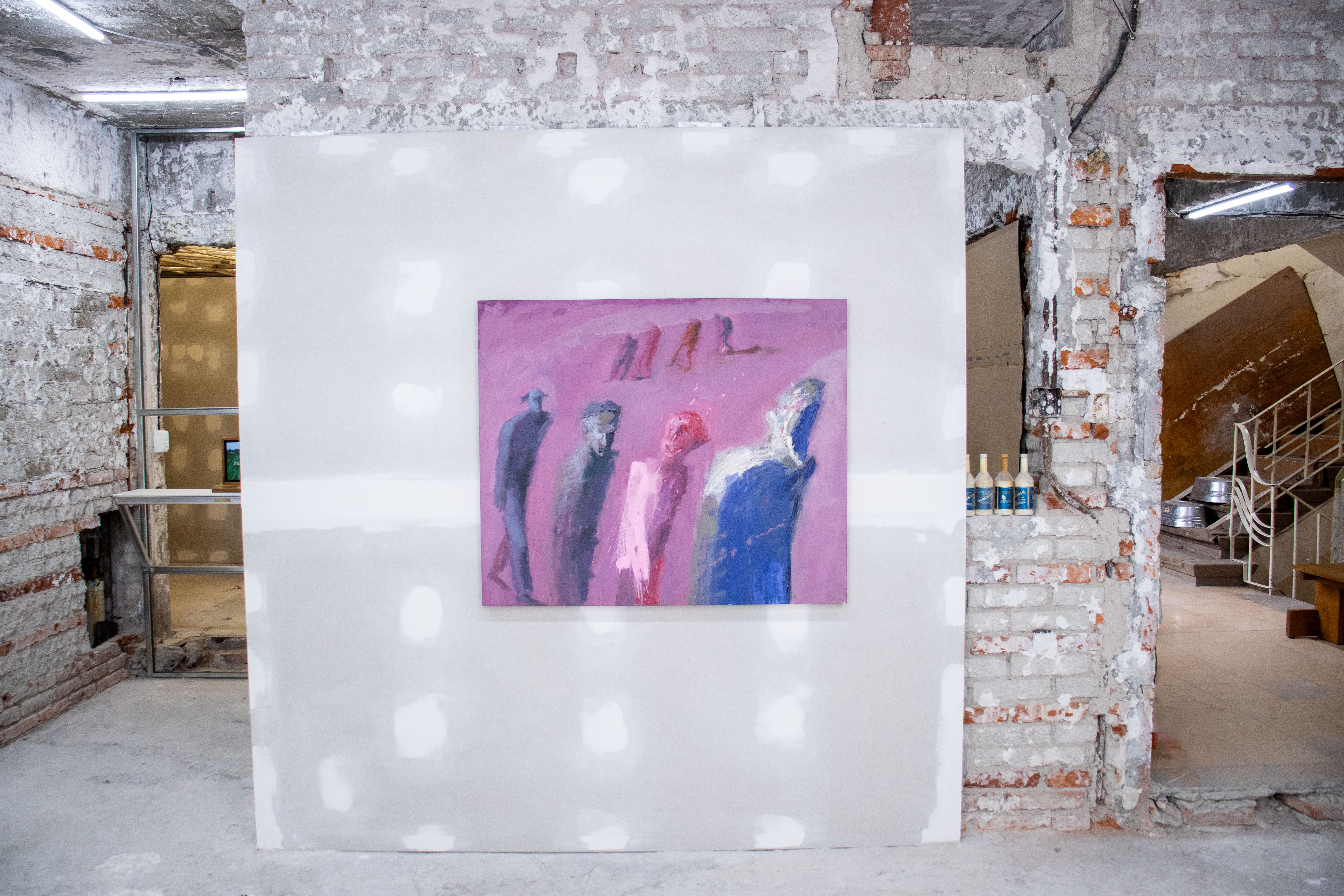
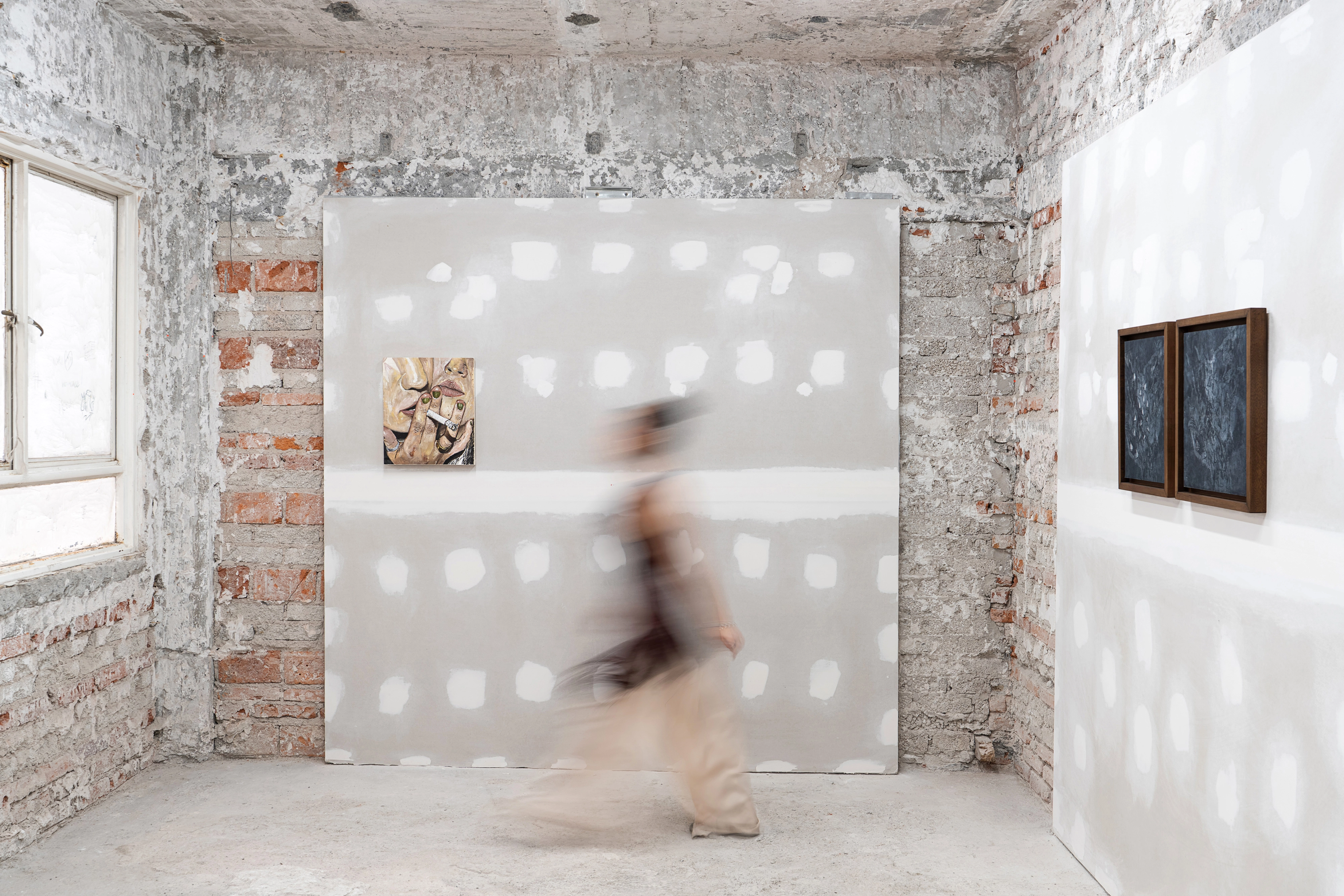
El título de esta muestra se inspira en la melancólica canción "A estos hombres tristes" de Almendra. La exposición propone una mirada nostálgica sobre las añoranzas del entorno urbano contemporáneo, donde lo humano, lo orgánico y lo espiritual quedan atrapados entre el concreto y las estructuras de la vida moderna. Es un retrato colectivo de cualquier ciudad que, aunque cubre nuestras necesidades materiales inmediatas, genera una sed constante y profunda en quienes la transitan.
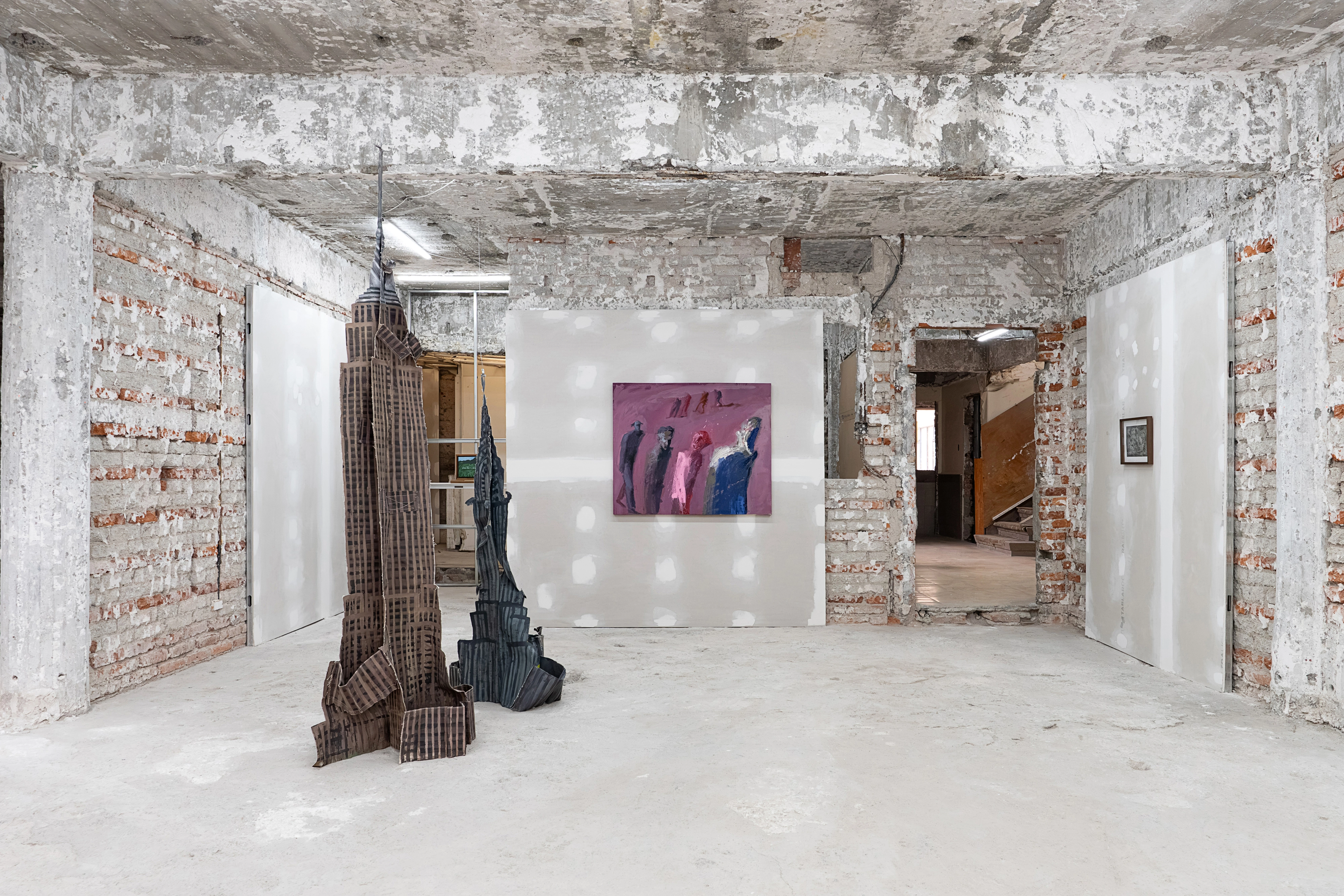
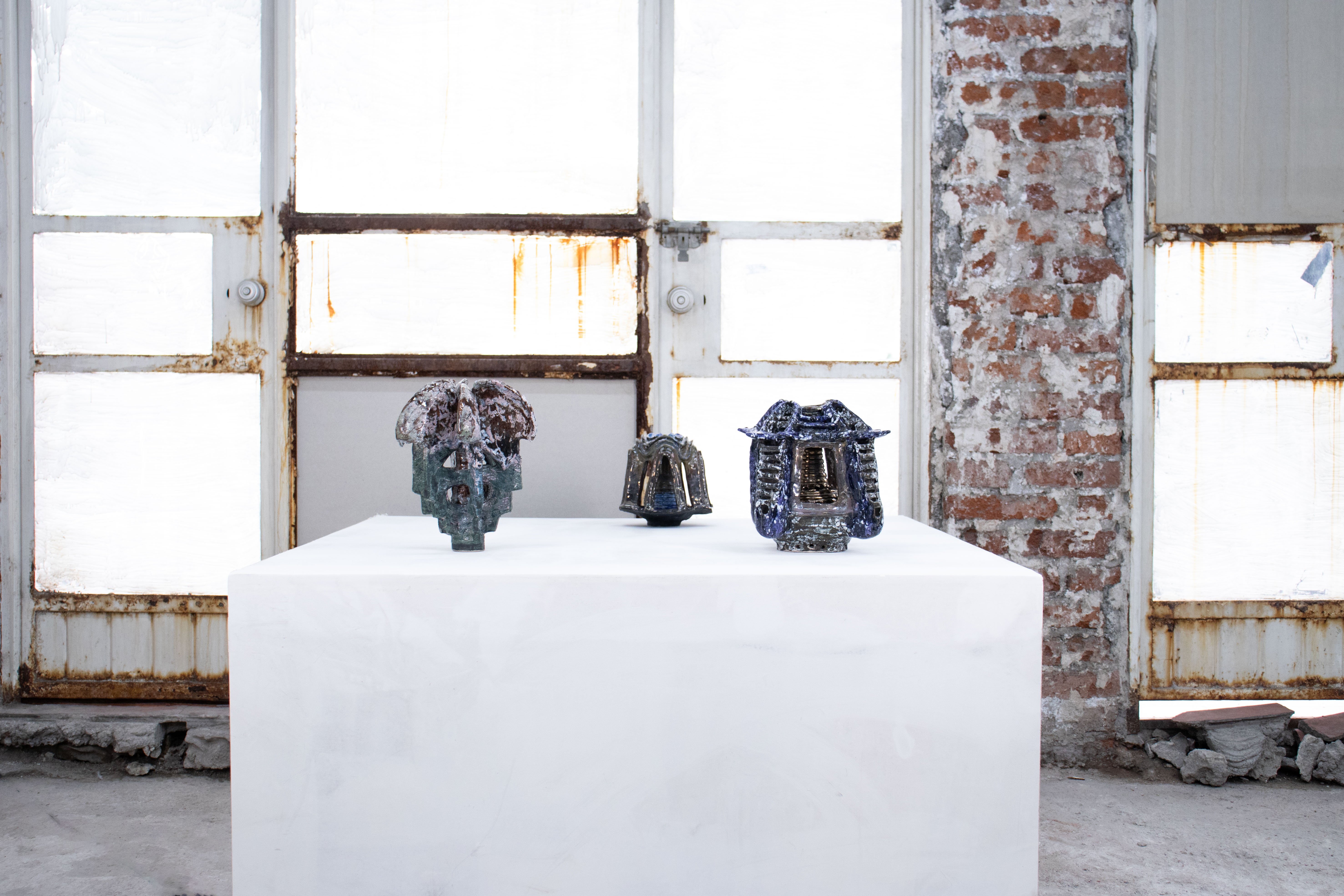
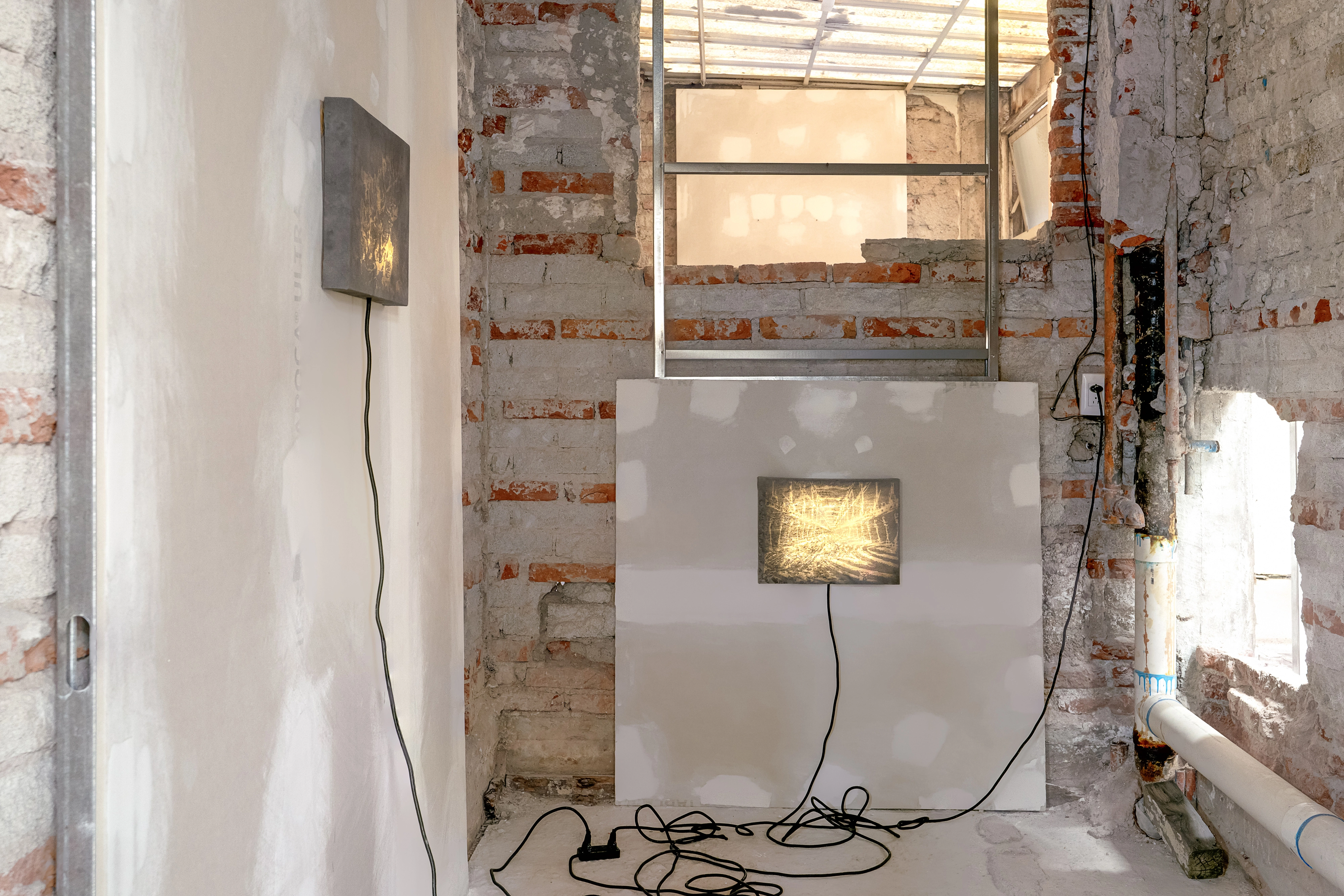
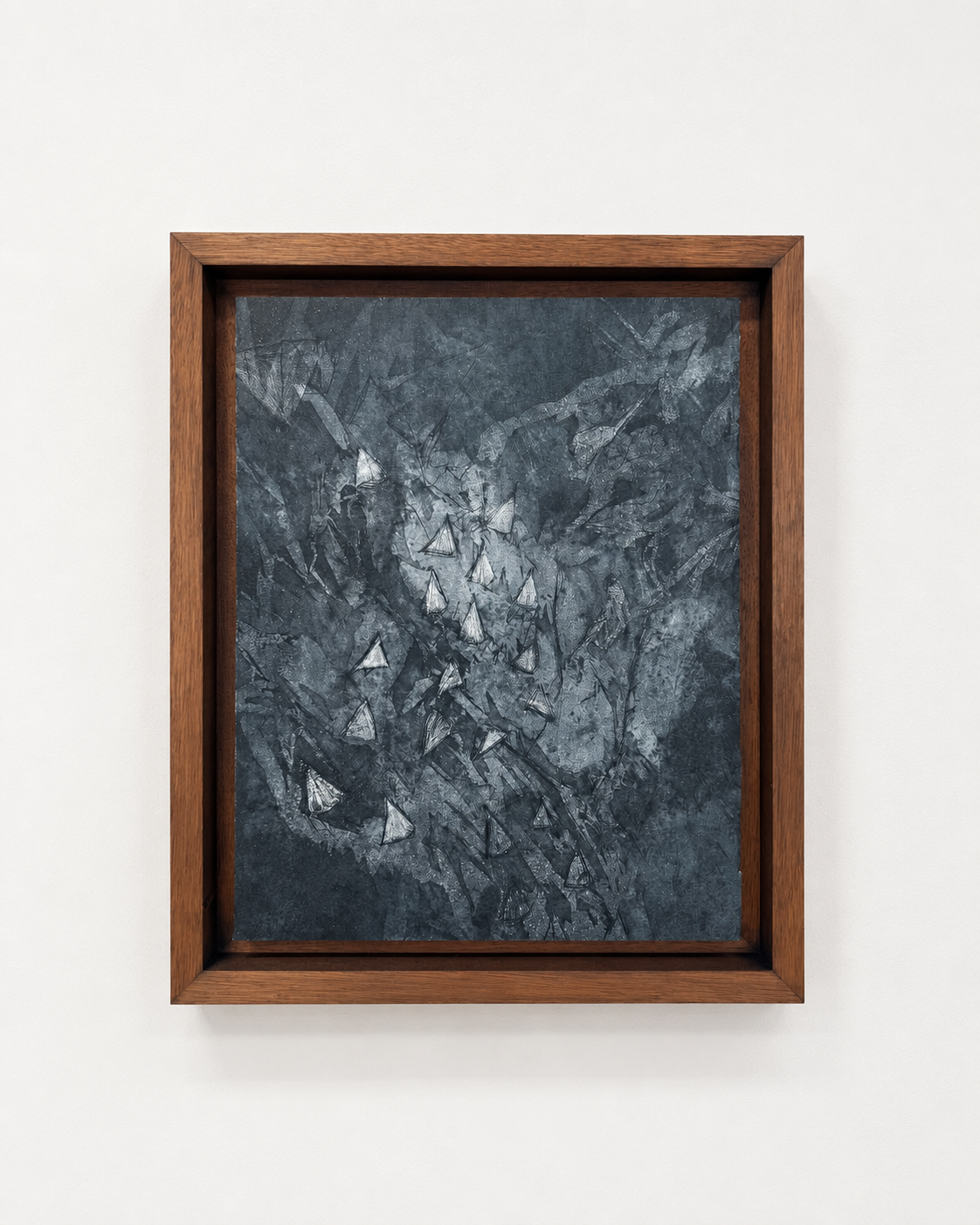
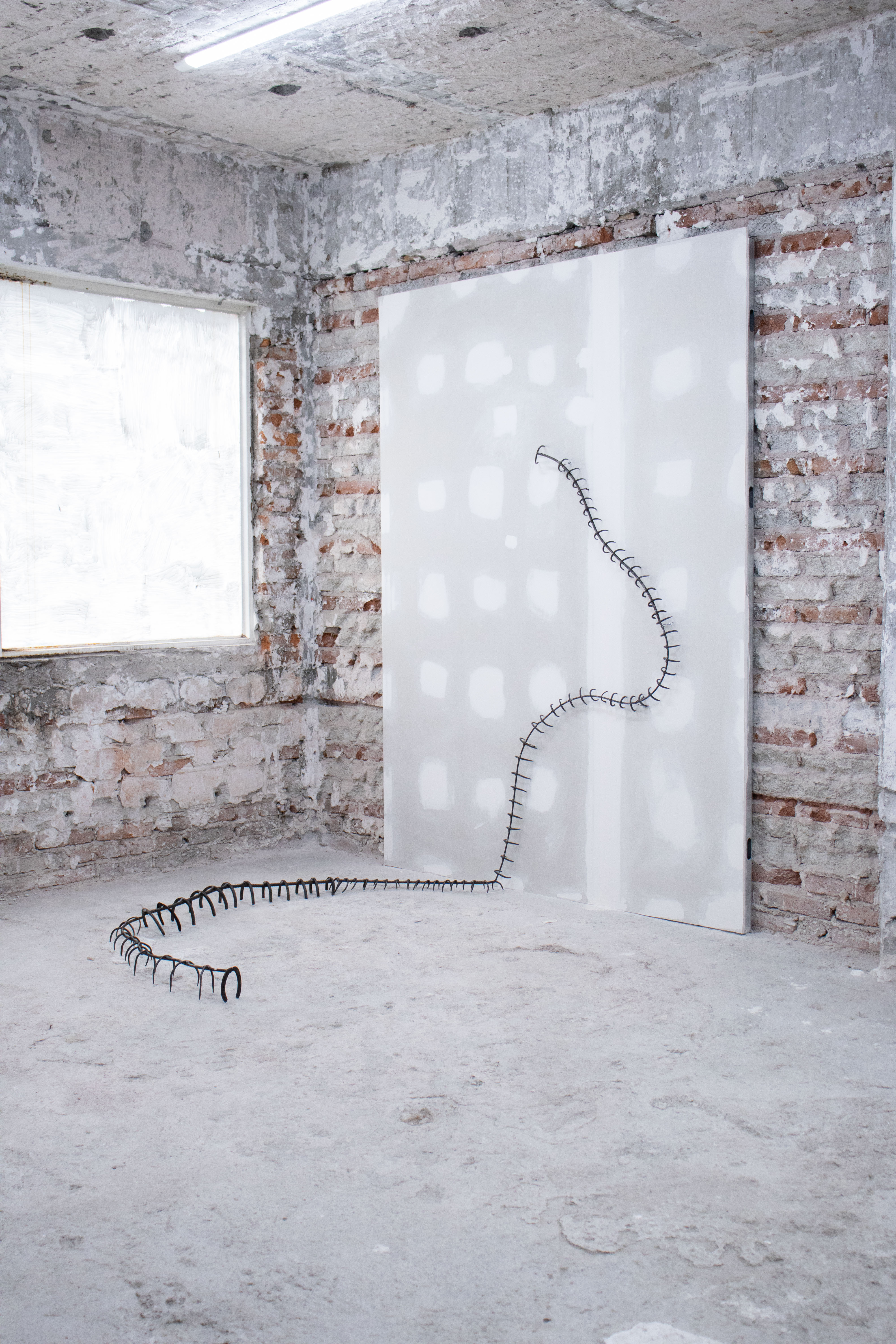
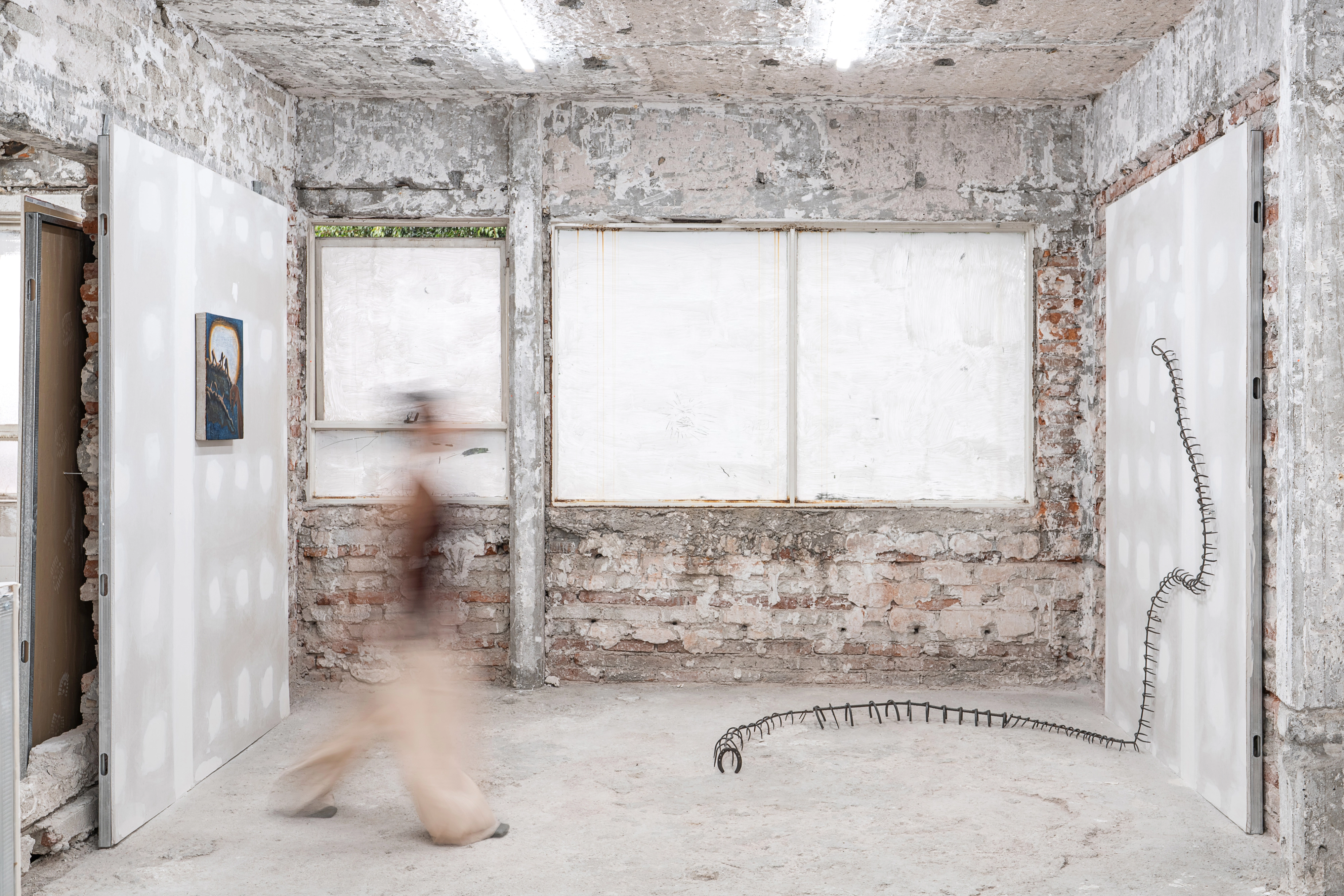
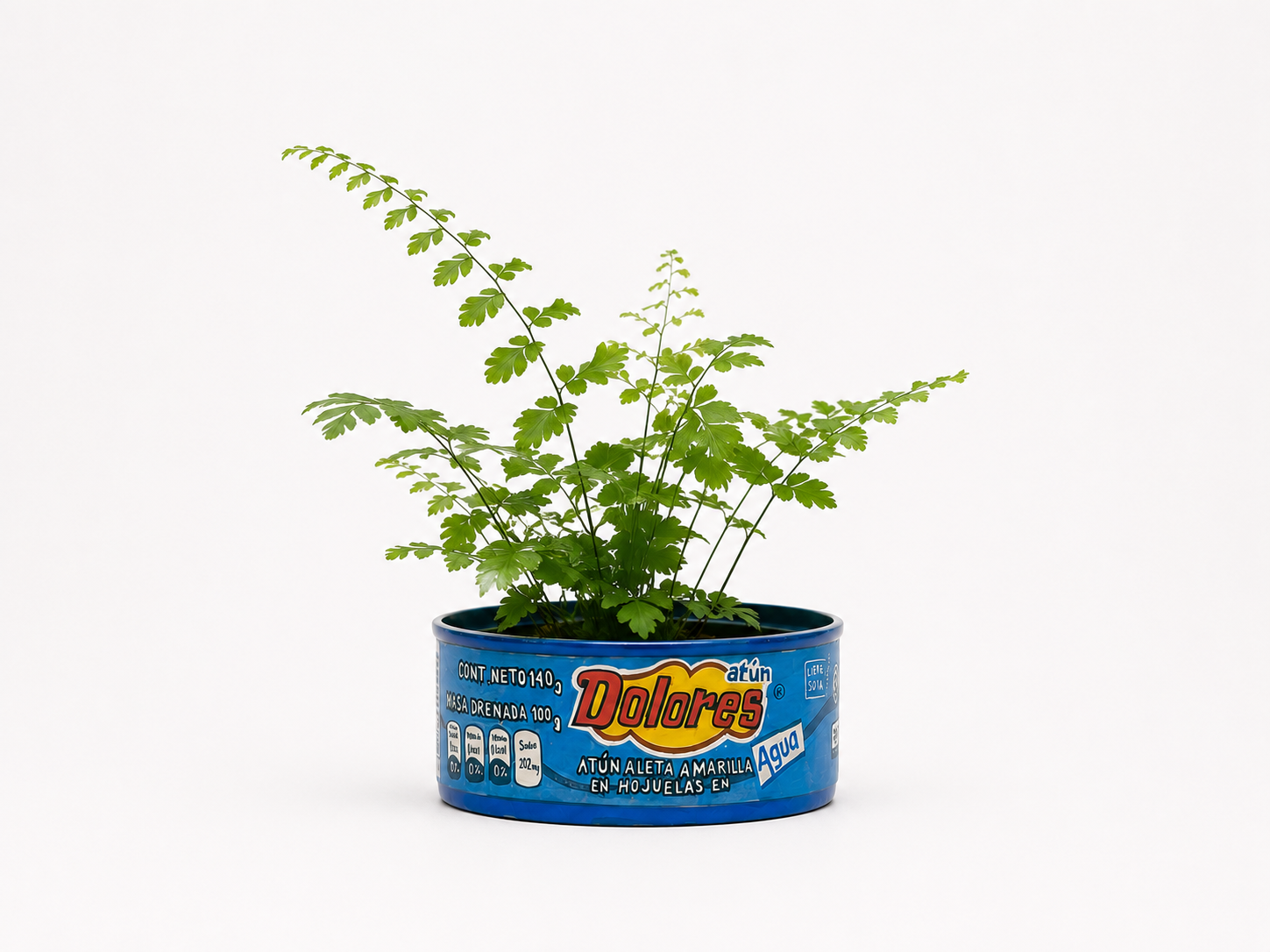
Las obras funcionan como fragmentos de una metrópoli que absorbe y transforma a sus habitantes. En lugar de aislarse, las piezas dialogan entre sí para romper con la rigidez del paisaje. En un escenario dominado por líneas rectas, la naturaleza sobrevive a duras penas en banquetas y parques, atrapada por la prisa industrial que intenta contenerla. Esta es una reflexión sobre los espacios que habitamos, el paso del tiempo y las grietas que fracturan la aparente solidez del desarrollo urbano.
Más allá de los grandes edificios, la exposición se interesa por la nostalgia de lo cotidiano, como los ruidos de los talleres mecánicos que llenan las avenidas. Cabe destacar que esta muestra no rinde homenaje a una ciudad en específico, sino a la experiencia urbana en sí misma.
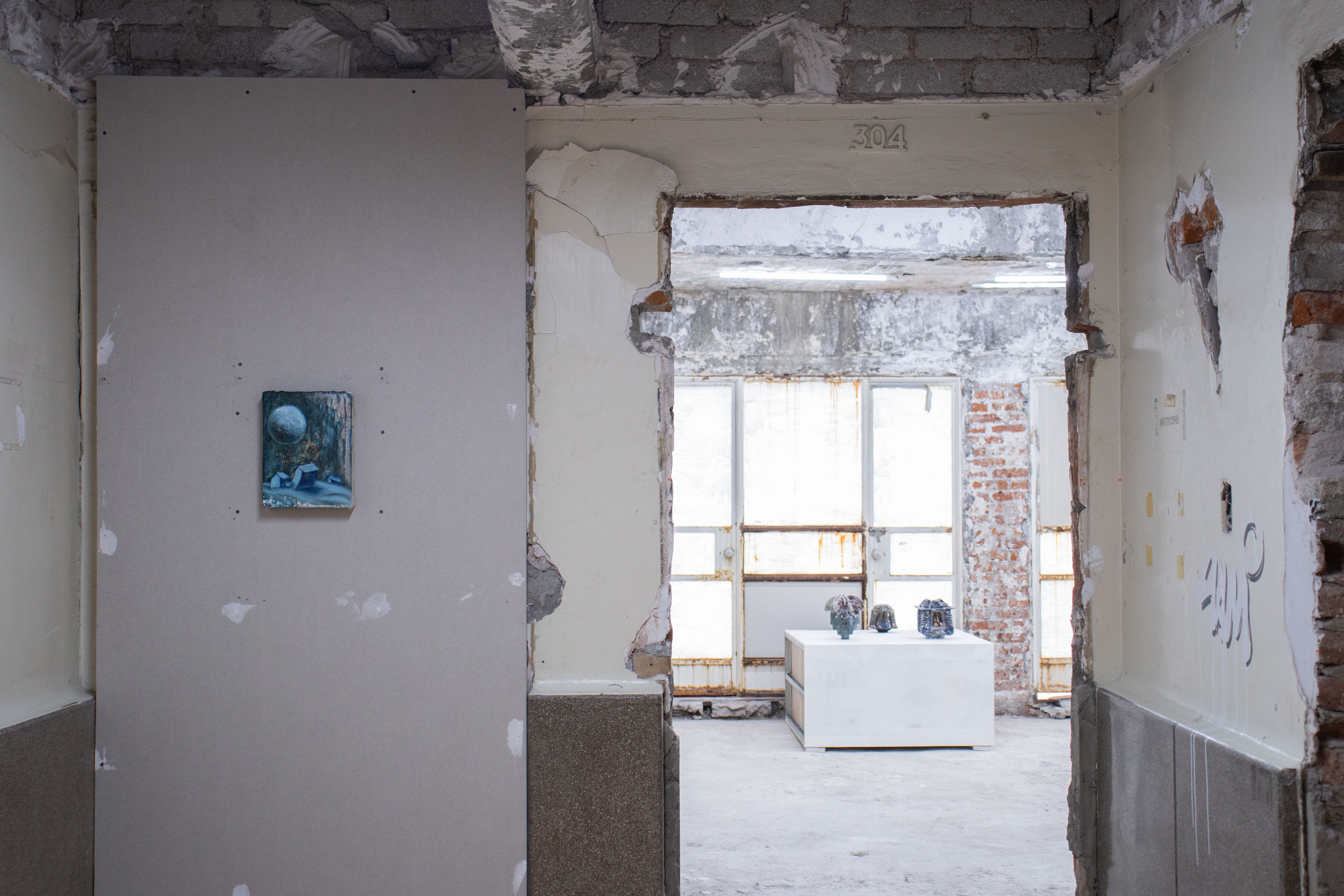
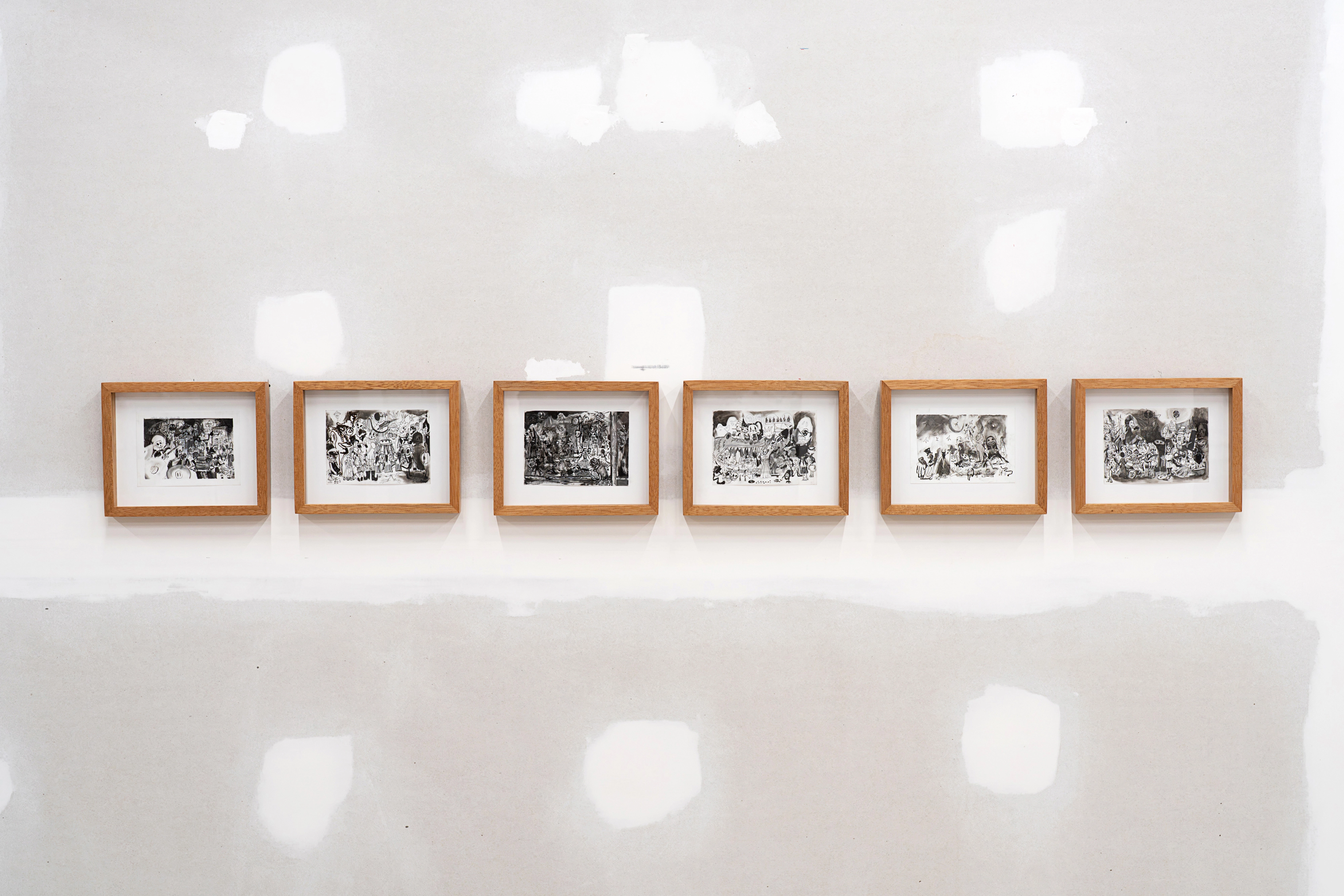
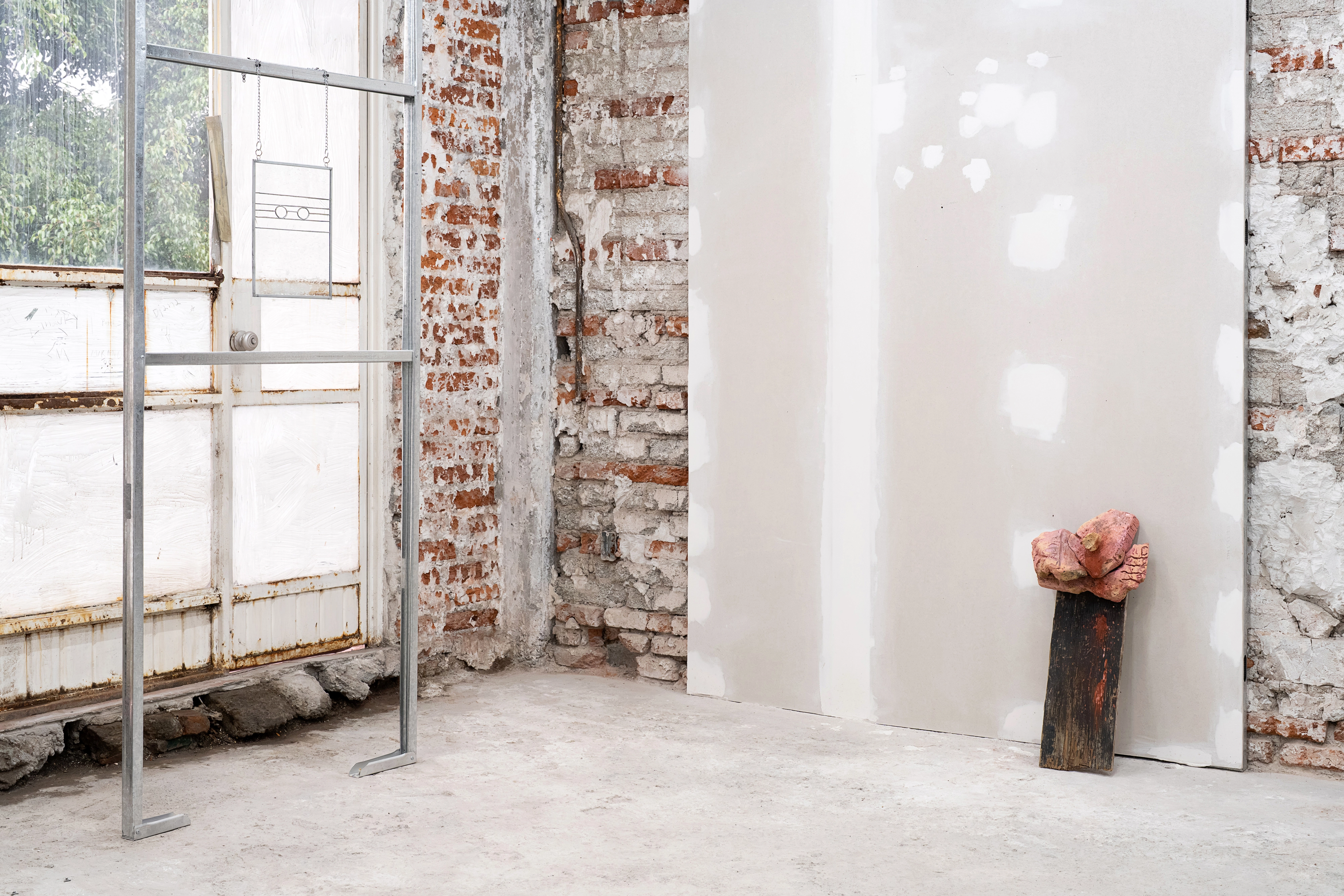
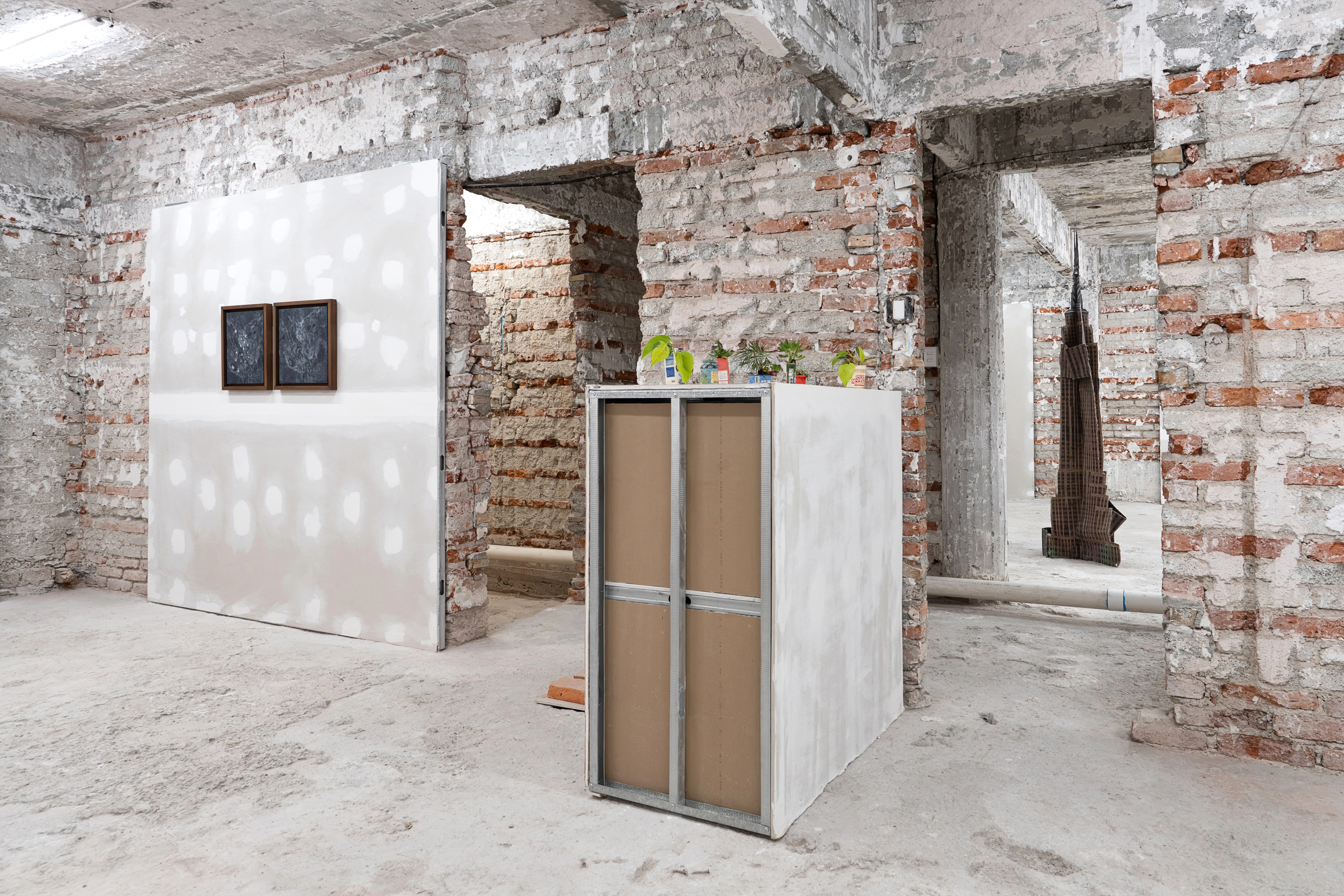
El recorrido va de lo público a lo íntimo, del ruido de las calles al silencio del refugio personal. También está presente el misterio de los encuentros a puerta cerrada, en contraste con escenas oscuras que revelan la soledad de la noche, los afters y los espacios ocultos de la urbe. Este caos enfrentado con el intento de poner orden a través de geometrías precisas y de las representaciones arquitectónicas distribuidas en la sala.
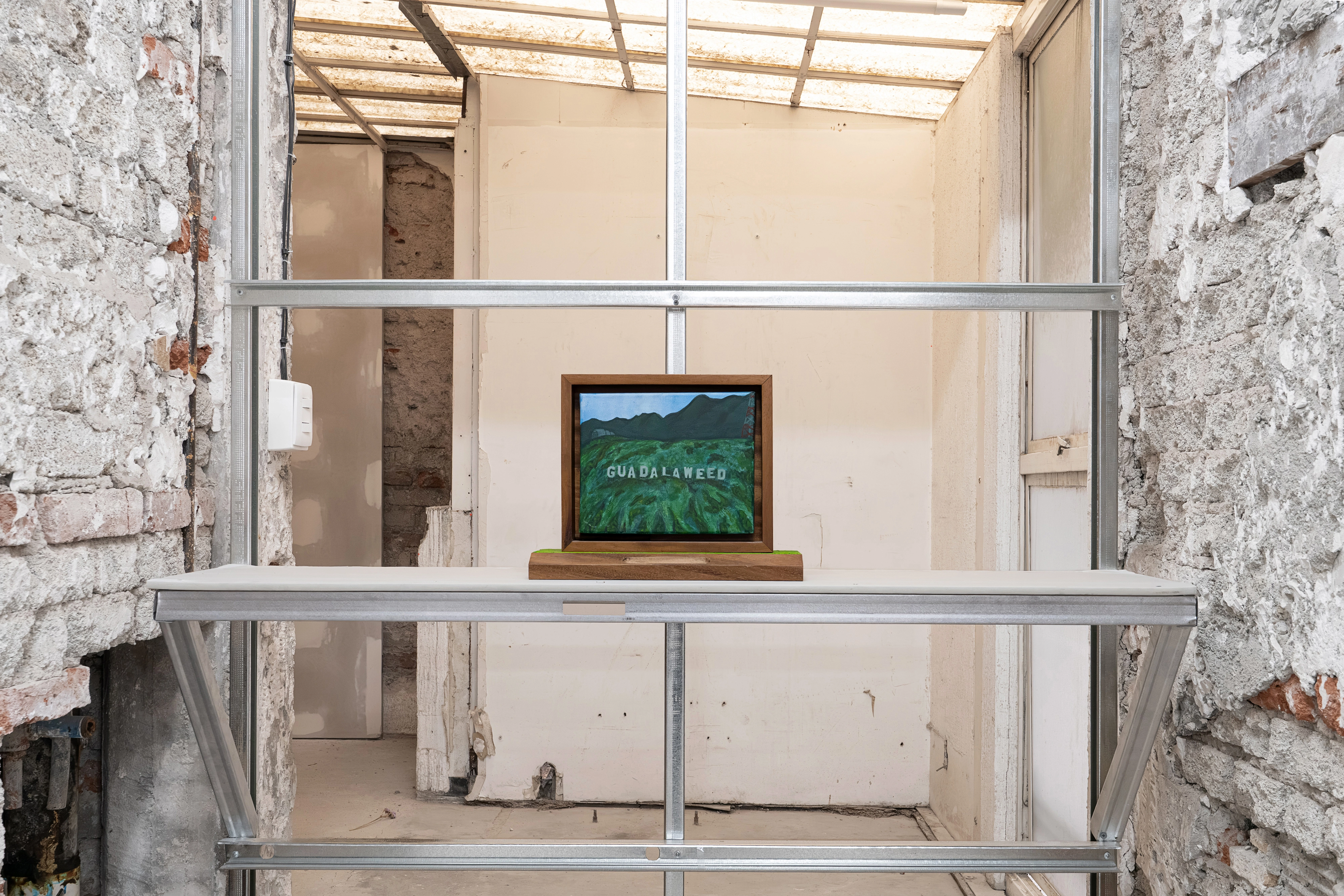
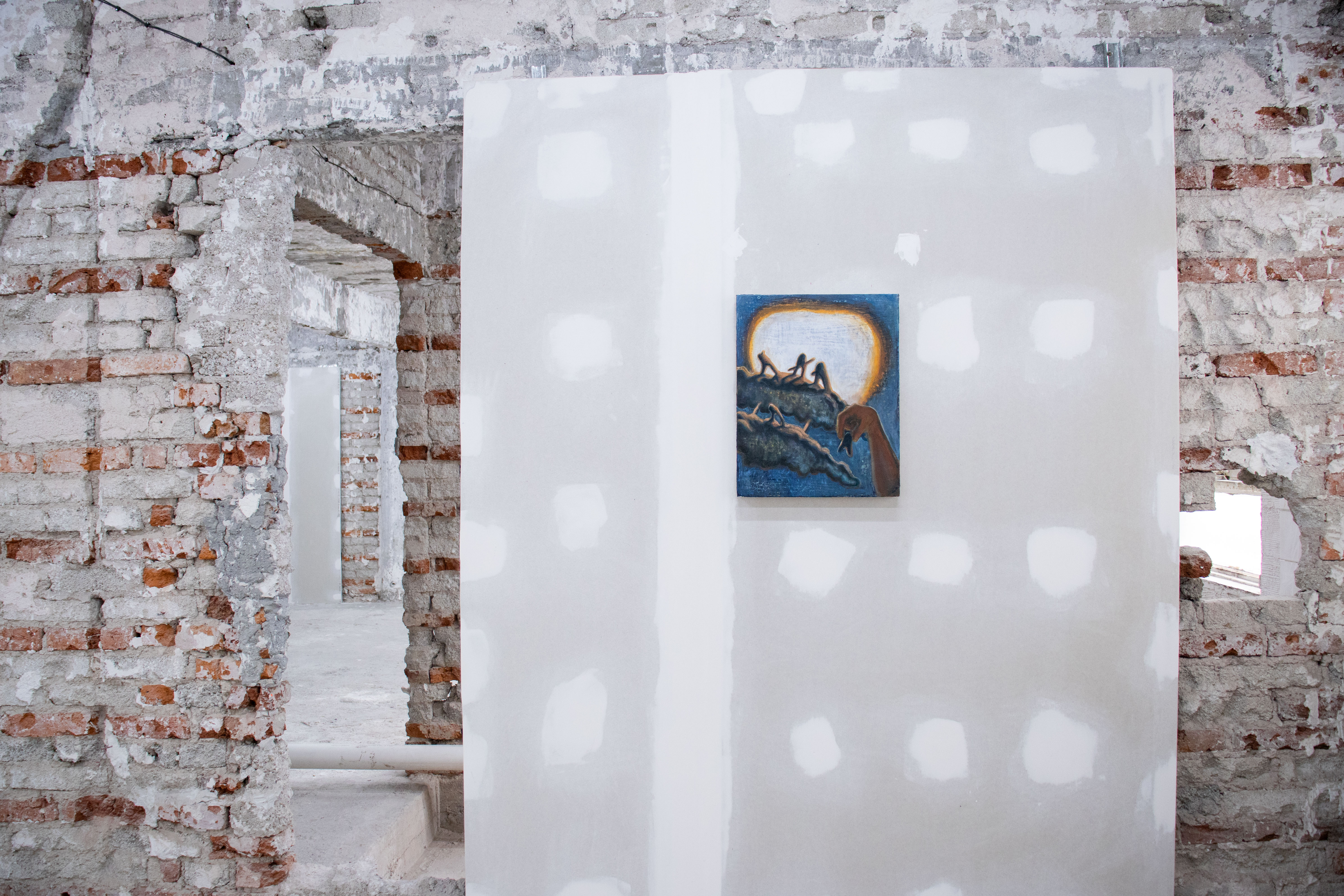
Como un respiro ante estos desiertos de cemento, la exhibición abre ventanas hacia relatos idílicos y pasados alternos. Estas visiones funcionan como una tregua: un refugio que reclama un origen natural que la prisa actual insiste en borrar.
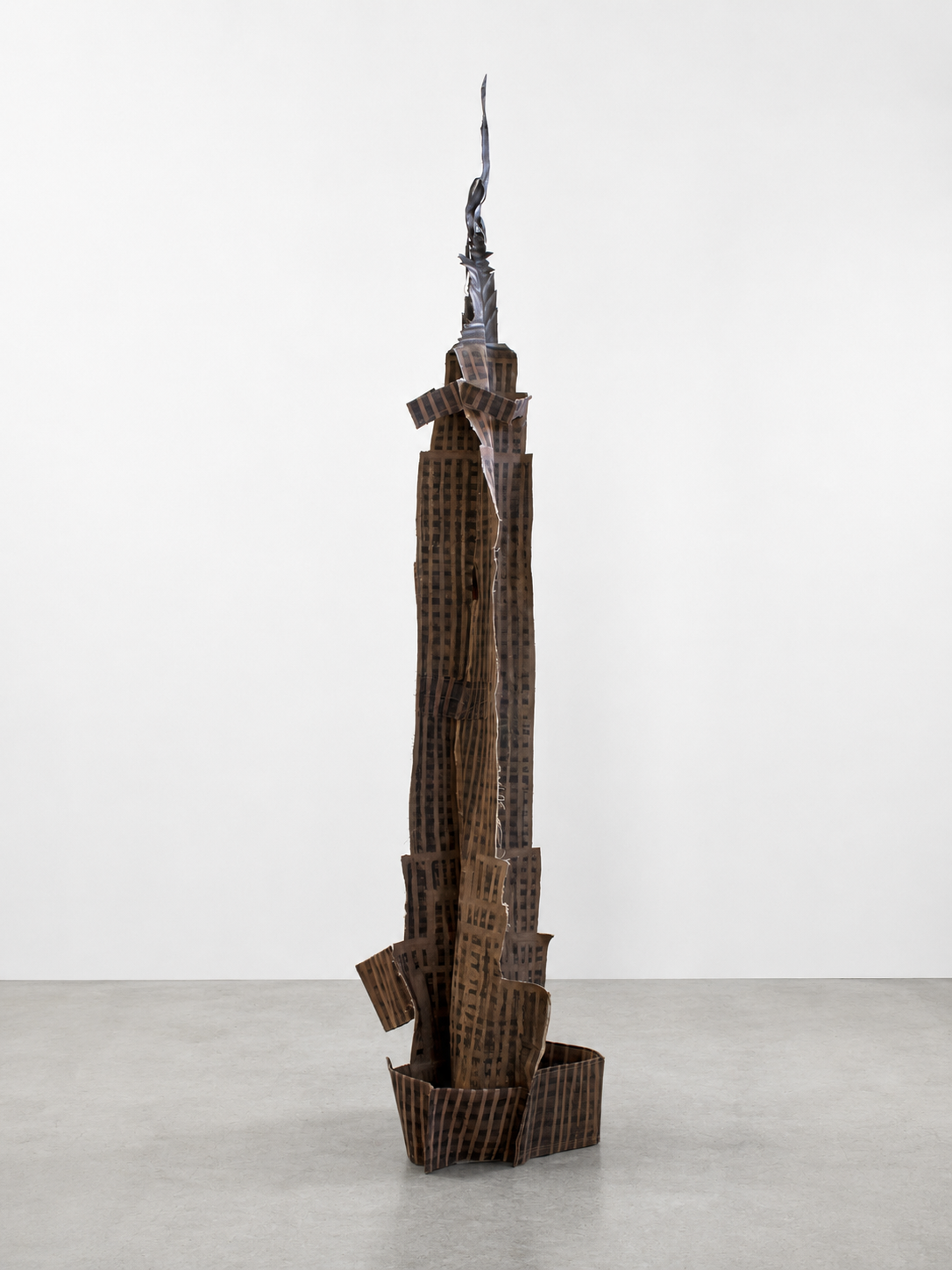
Finalmente, la muestra nos invita a mirar la ciudad con extrañeza, misma presente en las primeras obras que José Clemente Orozco realizó al llegar a Nueva York. Al igual que el muralista frente al impacto de los rascacielos, esta selección de artistas cuestiona el peso de las estructuras y la sed propia de las grandes extensiones de concreto.
The title of this exhibition is inspired by the melancholic song “A estos hombres tristes” by Almendra. The exhibition offers a nostalgic look at the longings of the contemporary urban environment, where the human, the organic, and the spiritual are trapped between concrete and the structures of modern life. It is a collective portrait of any city that, while meeting our immediate material needs, generates a constant and profound thirst in those who pass through it.
The works function as fragments of a metropolis that absorbs and transforms its inhabitants. Rather than standing alone, the pieces engage in a dialogue with one another to break the rigidity of the landscape. In a setting dominated by straight lines, nature barely survives on sidewalks and in parks, trapped by the industrial rush that seeks to contain it. This is a reflection on the spaces we inhabit, the passage of time, and the cracks that fracture the apparent solidity of urban development.
Beyond the towering buildings, the exhibition explores the nostalgia of everyday life, such as the sounds of auto repair shops that fill the streets. It is worth noting that this exhibition does not pay homage to a specific city, but rather to the urban experience itself.
The journey moves from the public to the intimate, from the noise of the streets to the silence of personal refuge. Also present is the mystery of encounters behind closed doors, in contrast to dark scenes that reveal the solitude of the night, the after-parties, and the hidden spaces of the city. This chaos is confronted with the attempt to impose order through precise geometries and the architectural representations distributed throughout the gallery.
Like a respite from these concrete deserts, the exhibition opens windows onto idyllic narratives and alternate pasts. These visions function as a truce: a refuge that reclaims a natural origin that the current rush insists on erasing. Finally, the exhibition invites us to view the city with a sense of wonder, drawing inspiration from the early works José Clemente Orozco created upon his arrival in New York. Just as the muralist was struck by the sight of skyscrapers, this selection of artists questions the weight of the structures and the very essence of vast expanses of concrete.
Registro Fotográfico: Inés Mayorga